

You've got a finished basement with a bedroom, bathroom, and maybe even a small kitchen. It looks like it could be a rental suite.
So, does that mean your home is worth more?
Possibly. But there's a big difference between having a finished basement, a space that could become a suite, and a legal secondary suite.
If you own a home with a basement suite in Edmonton, you might be wondering whether that extra living space could help you get a higher selling price. And if you're thinking about adding or legalizing a suite before selling, there's an even bigger question: Will the investment actually pay off?
Adding or legalizing a basement suite can increase your home's resale value, but it depends on the property, the cost of the work, what buyers are willing to pay, and if they will use it.
Before spending thousands of dollars, here's what I'd want you to understand.
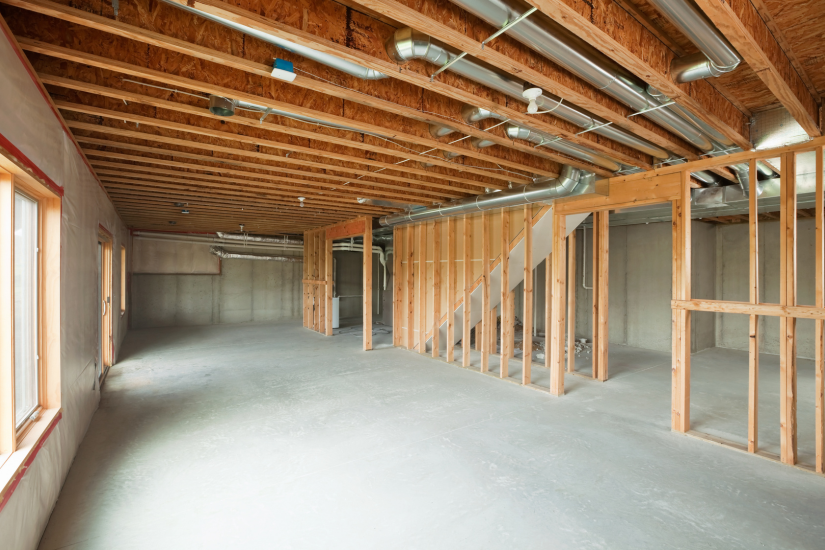
Does a Legal Basement Suite Actually Add Value?
Yes, it can. But I wouldn't give you a blanket answer about how much.
A legal basement suite may appeal to some buyers because it offers something a regular finished basement doesn't: a separate living space that's been approved for use as a secondary suite.
For some buyers, that means the potential to earn rental income. For others, it's about flexibility.
Imagine a family buying a home in King Edward Park. They love the neighbourhood, but they're also thinking about having an aging parent live with them in a few years.
A legal basement suite could make that home more appealing than another property without a separate living area.
Now imagine a buyer who wants a large recreation room, home gym, and extra storage. That same buyer might prefer a regular finished basement instead.
Not everyone wants to be a landlord, either.
I've been helping Edmonton homeowners buy, sell, and invest since 2009, and one thing I've learned is that improvements don't have the same value to every buyer.
The real question isn't simply whether a suite adds value. It's whether buyers in your neighbourhood are willing to pay enough extra to justify the investment.
What's the Difference Between a Finished Basement and a Legal Suite?
This is where homeowners sometimes get confused.
A finished basement might have a bedroom, bathroom, living room, and even a kitchen. That doesn't automatically make it a legal secondary suite.
A legal secondary suite must have the required approvals and comply with the building, fire, and safety requirements that apply to the property.
Depending on the property and the work involved, those requirements can include things like:
A separate entrance and appropriate exits.
Fire separation between living spaces.
Required smoke and carbon monoxide alarms.
Proper (separate) heating and ventilation.
Bedroom windows that meet applicable safety requirements (egress).
Electrical, plumbing, and other building-code requirements.
The exact requirements depend on the property, the applicable codes, and whether you're building a new suite or trying to legalize an existing one.
And here's something worth remembering.
A separate entrance doesn't make a basement suite legal. Neither does having a second kitchen.
If you're selling, it's important to describe the space accurately.
Calling a basement suite legal without confirming its approval status can create problems during the sale.
I'd rather verify the details before listing than have a buyer discover an issue after making an offer.
How Do You Legalize an Existing Basement Suite in Edmonton?
Let's say your basement already has a kitchen, bathroom, and separate entrance.
Maybe you've rented it out for years. Or perhaps the previous owner told you it was a legal suite when you purchased the home.
Before advertising it as legal, you'll want to confirm its status.
The first step is checking with the City of Edmonton to see what permits and approvals are on record.
If you're unsure whether your suite is already approved, don't assume you need to start renovations right away. First, confirm what the City has on record and whether any additional approvals or work are actually required.
If the suite hasn't been properly approved, you may need to apply for permits and complete upgrades to meet the requirements that apply to your property.
That could involve changes to fire separation, heating/ ventilation, windows, electrical systems, or other parts of the home.
Some upgrades may be relatively straightforward. Others can become expensive, especially if walls or ceilings need to be opened to inspect or correct work that was completed years ago.
My advice is to find out what's required before hiring someone to start renovations.
The City of Edmonton provides information about secondary suites, permits, and inspections on its official website.
You can start here: City of Edmonton Secondary Suites.
For technical or legal questions, confirm the requirements with the City and qualified professionals rather than relying on what a previous owner or neighbour was told.
Is It Worth Adding a Basement Suite Before Selling?
Not always.
This is one of those decisions where I really encourage homeowners to look at the numbers before starting a project.
Let's say you're thinking about spending $60,000 to convert your basement into a legal suite.
That's a hypothetical budget, not an estimate of what your particular project will cost.
Before committing, I'd want to know whether comparable homes with legal suites are actually selling for more than similar homes without them.
We'd also need to look at how much work your basement requires.
Does it already have a suitable entrance? Will you need major plumbing changes? Are the ceiling heights and windows appropriate? Does the heating system need work?
Those details can make a big difference in the final cost.
And remember, renovation budgets have a habit of growing once walls get opened.
A legal suite might make your home more marketable, but that doesn't mean you'll recover every dollar you spend.
Sometimes the better decision is to sell the home as it is and let the next owner decide whether to add a suite.
Other times, completing the work before listing could make sense.
I'd rather help you compare those options than encourage an expensive renovation without knowing whether it will pay off.
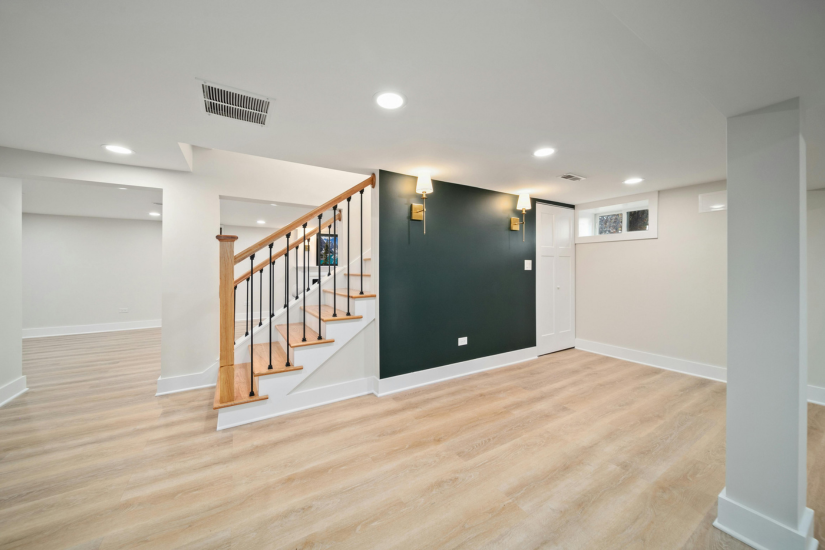
Why Buyers Look for Homes With Basement Suites in Edmonton
Rental income is one of the biggest reasons buyers consider homes with basement suites in Edmonton.
With housing costs taking up a significant part of many household budgets, the possibility of having a tenant contribute toward monthly expenses can be appealing.
But there's more to it than collecting rent.
A basement suite may also work for:
Adult children who want more independence while staying close to family.
Parents or relatives who would benefit from a separate living space.
Homeowners who want the option to rent out part of their property.
Buyers looking for a property with more than one living area.
Investors looking for two suites in one property
That flexibility can help a home stand out.
In established Edmonton neighbourhoods like Bonnie Doon, King Edward Park, and Alberta Avenue, buyers may come across older houses with developed basements or existing secondary suites.
In newer areas, the layout and construction of a home may create different opportunities or limitations for adding one, unless they have been built with a side entry.
But don't assume that every house can be converted.
Before buying a property with plans to add a suite, confirm what's permitted and whether the building can reasonably accommodate the required work.
What About Rental Income? Does That Increase the Selling Price?
Potential rental income can make a property more appealing, particularly to buyers who want help covering their mortgage or are interested in rental property ownership.
But buyers should be careful about assuming that rental income automatically makes a home affordable.
For example, even if a suite brings in $1,500 a month in rent, that doesn't mean you're keeping the full amount. You still need to account for expenses like utilities, maintenance, vacancies, and other costs.
That's the difference between gross rental income and the money you actually keep.
A suite may sit vacant between tenants. Repairs happen. Utilities, insurance, maintenance, and property management can add to the costs.
There may also be financing considerations.
Mortgage lenders have their own rules about how rental income is considered when qualifying a buyer. Not every lender treats it the same way.
And if the suite isn't legally approved, that can create additional questions about how the space may be used.
If you're selling a property with an existing tenant, there are other details to consider, including the tenancy agreement, rental terms, and applicable Alberta landlord and tenant requirements.
A buyer will want to understand what they're purchasing.
So yes, rental income can be a selling feature. But I wouldn't market a basement suite based on optimistic income projections that haven't been properly supported.
Actual rental history, documented expenses, and realistic expectations are much more useful.
What Will Buyers Want to Know About Your Basement Suite?
If you're selling a home with a basement suite, buyers are going to have questions.
And the more clearly we can answer them, the easier it is for buyers to understand what they're purchasing.
They'll want to know whether the suite is legally approved, whether there are existing tenants, how utilities are handled, and what condition the basement is in.
They may also ask about sound separation, laundry arrangements, parking, and rental history.
For example, if the upstairs and downstairs share laundry, buyers will want to understand how that arrangement works.
If the suite is currently rented, they'll likely want to review the tenancy agreement and understand the existing rental terms.
And if the basement has had moisture problems or major repairs, those details need to be handled accurately.
Having the relevant documents ready before listing can help avoid confusion once an offer comes in.
I also recommend checking permit records early, especially if the basement was developed before you purchased the property.
It's much easier to deal with unanswered questions before your home goes on the market than during a buyer's condition period.
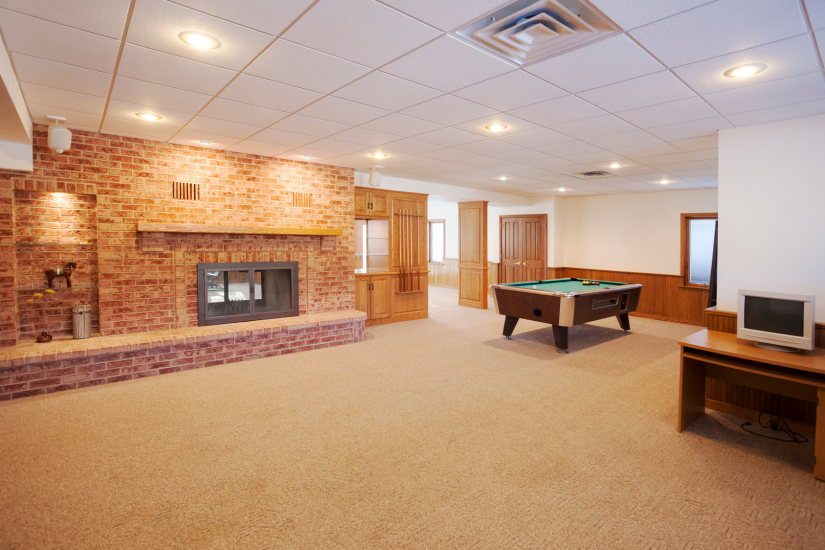
How Much Value Could a Basement Suite Add to Your Edmonton Home?
There's no fixed amount that a legal basement suite adds to an Edmonton home's resale value.
I'd start by comparing recent sales of similar homes with and without legal suites in your neighbourhood. Then we'd look at differences in condition, layout, construction quality, and buyer demand.
A well-designed suite may attract buyers who value rental income or separate living space. But that doesn't mean every dollar spent building or legalizing it will come back when you sell.
Before making that investment, let's look at what the market is actually paying for homes like yours.
If you're curious about what your property could sell for with or without a suite, a Market Value Evaluation is a good place to start.
We can look at recent sales and your home's current condition before deciding what makes financial sense.
Frequently Asked Questions
-
It can. A legal suite may attract buyers who want rental income or a separate living space for family members. The actual increase in resale value depends on the property, neighbourhood, suite quality, and comparable sales.
-
You may be able to sell the property, but the suite's legal status needs to be accurately disclosed and represented. An unapproved suite shouldn't be advertised as a legal secondary suite. Before listing, I'd recommend confirming the property's permit history and discussing any concerns with the appropriate professionals.
-
Costs vary considerably depending on the existing construction and the upgrades required. A basement that already meets many requirements may need less work than one requiring major changes to exits, fire separation, heating, plumbing, or electrical systems. Get a professional assessment and written quotes before deciding whether legalization makes financial sense.
-
Yes, creating a secondary suite generally requires City of Edmonton approvals and applicable permits. Additional permits and inspections may be needed for building, electrical, plumbing, gas, or heating work. Confirm the current requirements with the City before construction begins.
Wondering What Your Edmonton Home Is Worth With a Basement Suite?
A legal basement suite can be a valuable feature, but adding one isn't always the right financial decision.
If you're thinking about legalizing an existing suite, converting your basement, or selling a home that already has a separate living space, I'm happy to help you look at the bigger picture.
We'll review recent comparable sales, your property's current market value, and how buyers are responding to homes with basement suites in your area.
Then you can decide whether making improvements before selling is worth the time and money.
No guessing. No pressure to spend money on upgrades that may not pay off.
Get Your Market Value Evaluation
Jeneen Marchant | Edmonton REALTOR®
Call or text: (780) 904-4240